
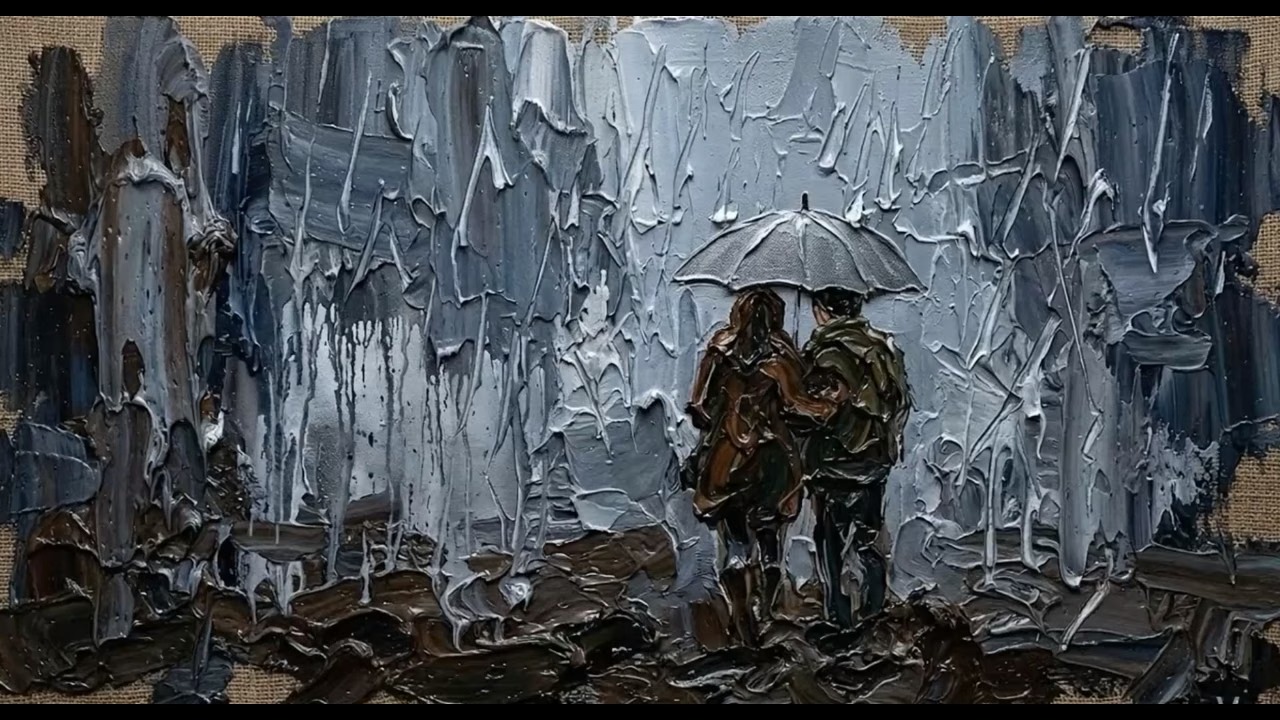
In the contemporary art scene, there is a growing appreciation for work that feels alive. We are drawn to pieces that change over time, offering new perspectives with every look. This evolution of the canvas is made possible by the marriage of structural painting techniques and advanced physics-based digital simulation, creating a bridge between the physical and the virtual.
The Weight of the Medium
When an artist understands the “weight” of the medium, they create work that feels rooted in reality. This structural foundation is a key element for Yversen François, whose approach to digital art mirrors the physical process of oil painting. By focusing on the nuances of thick textures and deep ridges, he ensures that the foundation of his work is as substantial as any classic canvas, providing a perfect base for further development.
Breathing Life into Static Art
How do you make a painting breathe? It starts with a mastery of motion theory. By allowing the digital pigment to behave according to the laws of physics, artists like Jean Boutin are able to introduce a sense of rhythm to their work. The light and shadow evolve naturally, creating a display that is constantly in motion. This movement adds a layer of depth that invites the viewer to stay and watch the piece unfold.
Maintaining Tactile Grit
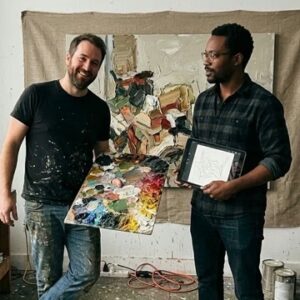
The success of the “moving canvas” depends on maintaining its tactile quality. The goal is not to create a smooth, perfect, or synthetic surface. Instead, the artists emphasize the preservation of material grit, ensuring that the work looks and feels like it has been crafted by hand. This commitment to the physical history of the medium is what gives the art its emotional power and cultural resonance.
Timeless Visual Poems
From their studio in Paris, this artistic duo produces works that function as visual poems. Their art explores deep themes like cosmic solitude and the fundamental importance of the painter’s craft. By creating iconic imagery that pulses and evolves, they are defining a new standard for what fine art can achieve in the modern world. Their work is a testament to the fact that technology is a tool, not a replacement for human expression.
Conclusion
The movement toward living art is one of the most exciting developments in the contemporary landscape. By marrying the structural beauty of traditional painting with the fluid possibilities of digital physics, creators are opening new doors for artistic expression. This synergy ensures that our collective history of art is not just preserved, but is actively evolving for the future.