Throughout recent art history, technological advancement has raised perpetual questions about tradition’s relevance. When new tools emerged photography threatened painting; video challenged cinema; digital media challenged all established disciplines artists faced choices about whether to preserve traditional practices or embrace innovation exclusively.
The Persistence of Traditional Concerns
Jean Boutin career demonstrates that these choices present false dichotomy. Traditional painting addressed perennial human concerns that neither new technology nor cultural change renders obsolete: how to arrange visual information meaningfully, how to communicate through color and form, how to create experiences that engage viewers emotionally and intellectually.
These concerns transcend specific technical approaches. A contemporary digital piece can address questions that occupied painters for centuries. The medium changes; fundamental artistic questions persist.
What “Grit” Means in Painting
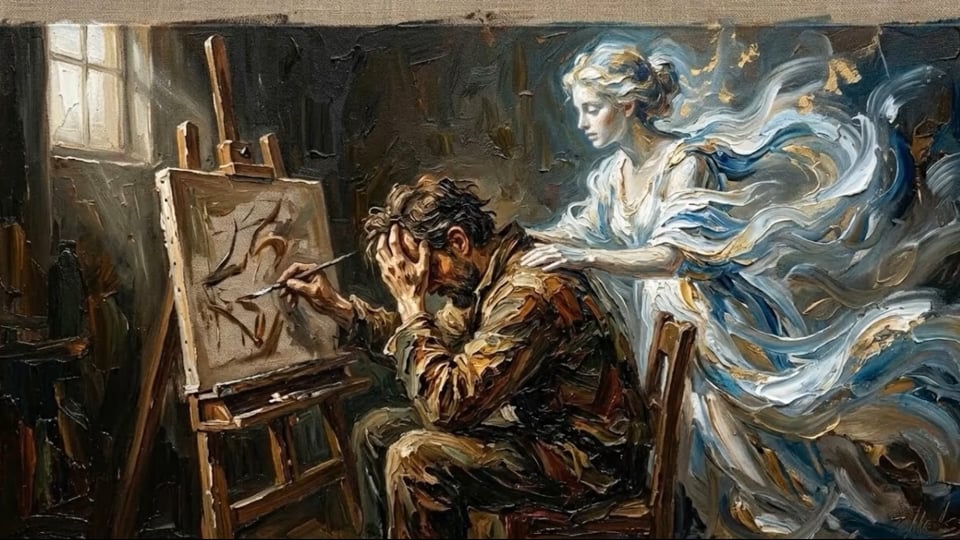
Grit refers to surface quality, texture, and material presence. It suggests roughness, authenticity, evidence of artistic process. Grit represents commitment to material reality rather than idealized smoothness or decorative polish. In painting, grit emerged through generations of artists prioritizing genuine engagement with materials over superficial appeal.
Boutin understands grit not romantically but as genuine communicative quality. Material roughness carries meaning; the evidence of artist’s hand in textured surfaces communicates intention and engagement. Grit represents honesty the assertion that viewers deserve authentic artistic experience, not merely pleasant visual information.
Soul as Emotional Authenticity
Soul implies something ineffable the sense that artwork contains genuine human presence or emotion rather than merely technical execution. Soulless art, by this standard, operates as purely technical demonstration without communicative depth or emotional resonance.
Boutin’s insistence on preserving soul means maintaining commitment to emotional authenticity even while employing advanced technology. His pieces never feel slick or detached; instead, they convey impression of genuine artistic intention and emotional investment.
The Risk of Digital Slickness
Digital media present particular temptations toward slickness polish, perfection, technical demonstration prioritized over emotional content. The tools enabling smooth animation and perfect rendering can seduce artists toward creating technically impressive but emotionally hollow work.
Boutin resists these temptations through deliberate choices. He maintains rough textures in his digital compositions. He preserves evidence of artistic decision-making rather than hiding it. He prioritizes emotional resonance over technical perfection. These choices represent active commitment to grit and soul despite tools encouraging alternatives.
Surface Quality as Philosophical Statement
Preserving grit functions as more than aesthetic preference; it represents philosophical stance. By maintaining rough, textured surfaces, Boutin asserts that art derives meaning from authentic engagement with materials and perception. Polish and perfection, by this logic, suggest distance between artist and audience the artist showing off technical capability rather than inviting genuine connection.
Rough surfaces invite closer examination. They suggest objects worth touching (even if not actually touched). They communicate that artist cared enough about work to engage genuinely with materials rather than simply assembling aesthetically pleasing images.
Traditional Painting’s Accumulated Knowledge
Preserving traditional painting’s concerns means drawing on centuries of accumulated knowledge about visual communication. Generations of painters developed principles about color harmony, compositional balance, and formal relationships that remain vital to contemporary practice.
Boutin maintains connection to this tradition by studying and applying these principles. His work demonstrates that traditional knowledge doesn’t become obsolete simply because artists gain access to new tools. Instead, that accumulated knowledge becomes increasingly valuable precisely when artists have more options available.
The Authenticity of Struggle
Part of grit’s communicative power involves apparent struggle impression that artist worked earnestly with resistant materials to achieve artistic intention. When artists prioritize slickness and polish, they minimize evidence of this struggle. Viewers encounter finished product without perceiving effort.
Boutin’s preservation of struggle involves maintaining elements that suggest effort and engagement. Textured surfaces imply artist working with resistant material; imperfect animations suggest authentic process rather than automatic perfection; color choices occasionally clash in ways suggesting genuine deliberation rather than automatic harmony.
Resisting Commodification
The art market pressures artists toward aesthetically palatable, easily consumable work that fits smoothly into collectors’ spaces. Grit and soul resist commodification precisely by insisting on authenticity over comfort, genuine expression over decorative appeal.
Boutin’s work, by emphasizing grit and soul, maintains distance from purely commercial concerns. His pieces don’t exist primarily to decorate spaces or demonstrate collectors’ sophistication; instead, they invite genuine engagement with artistic vision and emotional content.
Teaching Through Example
Beyond his own practice, Boutin’s commitment to preserving grit and soul functions pedagogically. For emerging artists, his example demonstrates that contemporary practice needn’t sacrifice authenticity for technical sophistication or cultural relevance.
His work proves that serious artistic practice, sophisticated engagement with materials and tradition, and employment of advanced technology can coexist. These impulses need not oppose each other; instead, they can reinforce and deepen each other.
The Future of Traditional Concerns
Looking forward, Boutin’s work suggests that traditional painting’s core concerns will remain vital to artistic practice as long as humans seek meaningful visual experiences. New technologies will emerge; new approaches will develop. Yet questions about how to arrange visual information meaningfully, how to communicate emotion through form and color, how to create authentic artistic presence these questions will persist.
Artists committed to addressing these perennial concerns through whatever means available, regardless of whether they employ traditional or contemporary approaches, will likely create the most meaningful work. Boutin exemplifies this commitment.
Conclusion
Jean Boutin’s practice preserves the grit and soul of traditional painting by maintaining commitment to authentic artistic engagement and emotional expression even while employing advanced digital technology. His work demonstrates that progress needn’t mean abandoning traditional concerns; instead, the most vital contemporary practice often involves drawing on accumulated artistic knowledge while remaining radically open to new means of expression. By insisting on rough textures, evident artistic intention, and emotional authenticity, Boutin proves that traditional painting’s core values remain not merely relevant but essential to meaningful contemporary art. His commitment to grit and soul, maintained throughout engagement with cutting-edge technology, suggests that the future of artistic practice will be determined not by which medium artists employ but by whether they prioritize genuine artistic intention and authentic human connection over technical sophistication or marketability.